
small business · tips
The advice we actually give on calls, not a shopping list for gear you don't need yet.
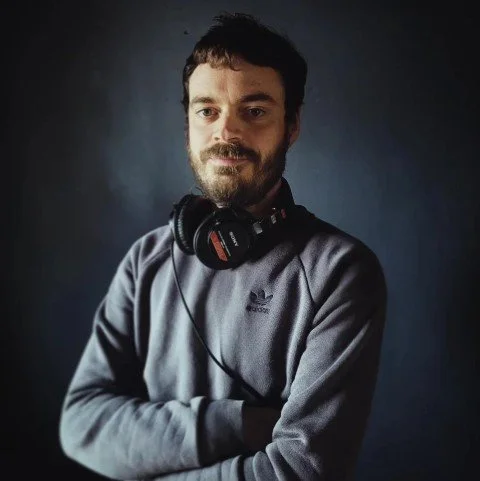
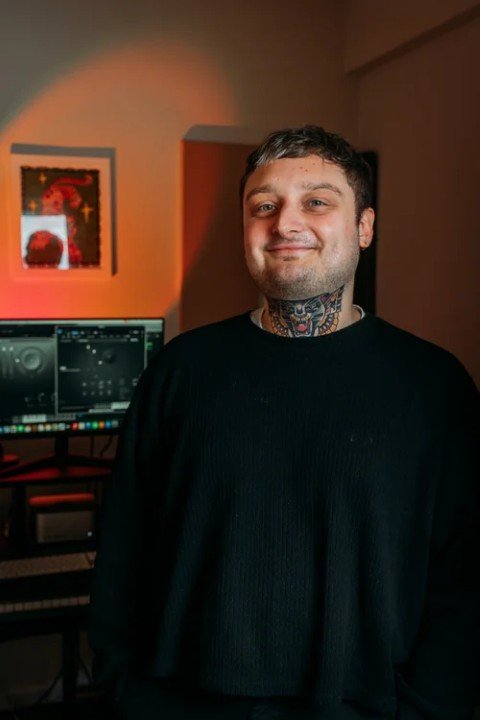
Every small business owner who calls us about starting a podcast asks about the same three things first. What microphone to buy. What software to edit on. How many episodes before it works. None of those is the real question.
Between us we have edited thousands of episodes. The shows that work and the shows that quietly stop after episode four don't split on equipment. They split on a handful of decisions made before anyone presses record. Here they are, in the order we actually give them on a call.
The first one is not a tip. It is a question. What are you training for.
first, what are you training for
Starting a podcast is a lot like getting fit. People come at it from different levels, and the right plan depends on which one you are at.
Casual. You are not really sure why, but you know it will benefit the business, so you are up for doing it.
Intentional. You have a clear reason. "I want to get in front of the right clients and look professional doing it." Or "I want three business leads a month from the podcast." You could do it on your own, but it would be easier with guidance.
Professional. The business relies on the show, so a lot depends on it.
Many businesses walk in believing they are professional. They treat the show as something the business depends on, so they want the full treatment from day one. But when we ask why they are doing it, there is often no clear answer yet. Without a why, you are casual, whatever the budget says. That is not a problem. It just means starting small and finding your why first. And like getting fit, the cost scale starts at zero.
The most common goal we hear is "to build an audience". That is like telling a personal trainer "I want to be healthy". They will guide you, but what is healthy? It is open ended, and paying for a trainer on a broad statement will cost you far more than you need. Say "I want to run a marathon in 12 months" and they know what to build, what to track and what progress is needed. "Build an audience" means different things to different people, so never pay high prices for it.
the tips, in the order we give them on a call
None of this needs a studio or a budget. It needs doing in the right order, and it needs you to give it longer than feels comfortable before you decide whether it's working.
Pick one person, not a market. One of our episodes about histamine intolerance got 218 plays on audio and over 112,000 views on YouTube. Same episode, same guest. The topic was narrow enough that the right person couldn't scroll past it. A broad topic is easy to say yes to and just as easy to ignore.
Don't spend before you know you'll stick with it. Do too much too soon and you won't break your body. You'll break your budget. A studio, a famous microphone, a trailer and twenty clips a week each add cost, and none of them is needed to start. A decent headset mic is enough for the first ten episodes. Zoom has a free plan and Spotify for Creators publishes your show for free. Buying a studio setup before you've proven the show has legs is how a lot of podcasts die in a drawer.
Open with why you're making the show, not what's in it. Your trailer and your first episode should start with the reason you're doing this. Not a list of topics. Here are two ways to open the same show. These are made up, to show the difference. "Welcome to the show. Each week we cover invoicing, tax and software." Or: "I started this because I kept watching small businesses lose whole weekends to their books, and nobody explained it in plain words." The first tells a listener what is in the show. The second tells them why you care, and that is what makes them stay. Plenty of people can cover the same topics. Nobody else has your reason. Try finishing this sentence and start with it: "I am making this show because..."
Keep it short. A new show hasn't earned forty minutes of anyone's time yet. Say what you need to say and stop. Long episodes are a reward you give an audience later, not a test you put them through first.
Sound like the person running the business, not a radio host. A scripted tone is the fastest way to make a small business podcast sound like every other small business podcast. Talk like you're explaining something to one client you actually like, because you are.
Decide the topic before you decide the guest. Booking someone first and figuring out the topic after is how episodes drift. Know what the listener should walk away able to do, then go find the person who can deliver that.
The mistake we see most, by far: talking over your guest. After thousands of edited episodes this is still the number one thing we fix in the cut. It gets worse on remote calls, because the small delay on platforms like Riverside makes people step on each other without noticing. Ask your question, then actually stop talking.
Record more than one episode before you launch. Get three in the bank before anyone hears the first one. A single episode is a pilot, not a show, and it puts all the pressure on one recording going perfectly.
That's the whole list. Nothing on it costs money, and most of it is about restraint rather than effort.
when doing it yourself stops being the point
Everything above is what we'd tell you for free, because it's the same advice whether you ever hire anyone or not. Where a small business podcast usually breaks is around episode six or seven, when editing, clips, show notes and booking start eating the hours you were supposed to spend running the business.
That's the point people usually come to us. Think of it as the next plan up. Doing it yourself is running on your own, and it's free. Joining a gym adds structure and an instructor who reviews your progress. A personal trainer plans it, makes it and handles more of the work.
Our starter package is the gym. It's called Pilot and it's $190 an episode, audio only, weekly for twelve weeks, which comes to $2,280 in total. There's no separate setup cost, and at week twelve we review how it's going together. Video costs more because it is more work. The files are bigger, the renders are slower and the editing is fiddlier. That's fair, and it's not where most people should start.
Whoever you talk to, watch how they answer when you say you want to be smart with your budget. A helpful agency is flexible and builds a plan around it. One that wants to sell you more offers packages that can't be changed.
A helpful agency changes the plan to fit your budget. One that wants to sell changes your budget to fit the plan.
what we do on a call
First we work out which level you are at: casual, intentional or professional. If you are intentional or professional, we look at how realistic your goal is. "I want three business leads a month" is a great goal, but it takes a specific plan, followed for a certain amount of time, and straying from it can send it off track. Exactly like training.
Then we talk it through plainly. Some of it may be realistic, but you may not like the plan, the timeline or the cost, so we meet in the middle on what works for both sides. We promise to always advise on what we see as the most sustainable and sensible approach for your business, not for ours. If you want to keep the show and get your week back, book a call.
book a callScope, recording cadence, platforms and approval process are agreed before kickoff. Prices are per episode in US dollars. We do not guarantee leads or search visibility.
